Most companies still rely on the annual performance review — a single meeting meant to summarize an entire year of work. But by the time managers sit down to talk, the feedback is stale, the issues are old news, and the employees are already checked out.
I’ve seen the difference firsthand. When managers start holding regular check-ins with employees, performance stops being an event and becomes part of everyday work. These short, focused meetings help teams catch problems early, recognize wins quickly, and stay aligned with company goals.
In this guide, I’ll show how regular check-ins build trust, improve feedback quality, and make performance management more human. Whether you lead a small team or a full department, these conversations are the simplest way to boost engagement, productivity, and long-term growth.
Why regular check-ins matter more than annual reviews
The old way of doing things — one long annual performance review — doesn’t work anymore. By the time managers sit down to talk about how employees did over the year, most feedback is already outdated. People forget details, issues pile up, and the meeting turns into a formality instead of a real conversation about performance or growth.
I’ve seen this happen in many companies: employees wait months to hear how they’re doing, and managers struggle to recall specific tasks or results. The process feels disconnected from daily work, which hurts motivation and trust.
That’s why regular check-ins with employees are replacing the old model. They keep communication open and performance management continuous.
Instead of waiting for one big review, managers and team members have shorter, focused talks every few weeks or once a month. These check-in meetings help identify issues early, celebrate progress, and offer support when it’s actually needed.
Frequent conversations create open communication, build collaboration, and improve morale. When managers make time to listen and regularly share feedback, employees feel recognized and understood. That kind of trust keeps teams aligned and drives real performance improvements, not just during review season, but every day.
What a regular check-in really is
A regular check-in is a short, structured meeting between a manager and an employee. I think of it as a chance to talk about progress, share feedback, and realign priorities. Its purpose is to make sure employees have what they need to do their best work.
During a check-in meeting, we might talk about current tasks, issues that are blocking progress, or new opportunities for development. It’s also a space for employees to share concerns or ask for support. These short talks keep communication active and help everyone stay focused on what really matters.
A check-in isn’t the same as a one-on-one or a full performance review.
- Check-in: Quick, frequent touchpoint about work progress and needs.
- One-on-one: Longer, personal meeting that might cover skills, career goals, or team dynamics.
- Performance review: A formal evaluation that sums up performance over a longer period, often tied to company goals or compensation.
The cadence depends on the organization and the team’s workflow. Some managers prefer weekly check-ins to stay close to daily work, while others find a bi-weekly or monthly rhythm fits better.
What matters most is consistency: employees should know they’ll always have a set time to talk about performance, expectations, and progress.
When done right, these regular check-ins turn into a reliable feedback loop that keeps employees, managers, and teams aligned, productive, and supported.
Core benefits of regular employee check-ins
When I started doing regular check-ins with employees, I noticed how much smoother work became. These short meetings change how teams communicate, how managers lead, and how employees grow.
1. Real-time feedback and faster course correction
With regular check-ins, feedback doesn’t sit in someone’s notebook until the next annual performance review. It happens when it’s still useful.
If a team member is stuck on a project or misses a target, the manager can step in right away, offer support, and help adjust direction. That saves time, builds skills, and prevents small issues from becoming big problems.
2. Higher employee engagement and accountability
When employees know their performance is being seen and discussed regularly, they stay more engaged. Frequent check-in meetings show that managers care about progress, not just results. It keeps teams accountable without pressure and helps people take ownership of their work.
3. Stronger manager-employee relationships
These conversations help managers and direct reports connect as people, not just roles. Over time, that trust builds open communication and makes it easier to talk about challenges or needs. A simple, honest check-in can improve collaboration across the team and raise morale.
4. Early detection of burnout or disengagement
When employees meet with managers regularly, signs of stress or fatigue show up sooner. That gives both sides a chance to talk, realign tasks, or offer resources before burnout takes over. It’s one of the clearest insights you can get into team well-being.
5. Better alignment with team and company goals
Regular check-ins tie day-to-day work to bigger company objectives. Managers can reinforce expectations, highlight wins, and keep employees focused on what matters most. This keeps teams productive, connected, and moving in the same direction.
How to structure effective check-ins
When I run regular check-ins with employees, I keep them short, focused, and real:
Pre-check-in preparation
Before the check-in meeting, I take a few minutes to review goals, metrics, and any recent feedback. I also look at notes from the last meeting to see what tasks or issues were discussed. This prep helps me show up ready with insights and context instead of wasting time on updates the employee already knows.
Conversation flow:
- Review progress since the last meeting
Start by asking how work has been going. What’s moving well? What’s behind schedule? Keep the conversation focused on outcomes and performance, not just things done.
- Discuss blockers and priorities
Every employee faces issues that slow them down: missing resources, unclear expectations, or tasks that feel stuck. This is the place to talk about them openly. I ask what support they need from me or the team to move forward.
- Exchange feedback both ways
I always give feedback, but I also ask for it. What could I do better as a manager? How is our communication working? This two-way flow builds trust and strengthens collaboration.
- Agree on next steps and follow-ups
Before wrapping up, I confirm the next tasks, priorities, and any opportunities for growth. It helps both of us stay clear about expectations and accountability.
Timeframe and tone
A good check-in shouldn’t drag on. Twenty minutes is often enough. I keep it honest but positive, focused on solutions, not blame. Employees should leave with clarity about what matters most, and I should leave with a better understanding of how to help.
Questions to ask during employee check-ins
Good check-in meetings are built on thoughtful questions that help managers understand how employees are really doing.
When preparing for a regular check-in, I use a few question types to cover performance, engagement, development, and communication. The goal is to spark open communication and find insights that improve both work and relationships.
These help you understand how employees are managing their tasks and goals.
- What progress have you made since our last meeting?
- What’s going well in your work this week or month?
- Are there any issues slowing you down?
- How clear are you on expectations and priorities?
- What kind of support would help you stay on track?
Engagement and well-being questions
These uncover how employees feel about their work and team.
- How has your workload felt lately — manageable or heavy?
- What’s been motivating you most at work recently?
- Have you noticed any concerns about balance, stress, or remote work?
- Do you feel your efforts are recognized?
Development and learning questions
These show employees that performance management isn’t just about numbers — it’s about growth and skills.
- What new skills do you want to build in the next few months?
- Are there any opportunities for learning or projects you’d like to try?
- What kind of resources or assistance would help with that?
- How can I, as your manager, better support your progress?
Relationship and communication questions
These strengthen trust and keep collaboration healthy.
- How are we working together as a team?
- What could I do differently to improve our communication?
- Are there any things that make meetings less effective?
- How are relationships with other team members going?
Common mistakes managers make in check-ins
Regular check-ins with employees can easily lose meaning if managers treat them as another box to tick. When handled the wrong way, they stop helping employees grow and start feeling like chores.
I’ve seen it happen in many teams; even good managers fall into these habits:
1. Treating them as status updates instead of coaching sessions
Too often, a check-in meeting becomes a quick run-through of tasks done and issues pending. That’s not the point. Check-ins are meant for reflection, feedback, and improvement, not for reporting.
If a manager uses the meeting just to track work progress, the employee leaves without direction or support. Instead, it should feel like coaching: What went well? What could improve? What help or resources are needed?
The focus should shift from “What did you finish?” to “What did you learn, and what’s next?”
2. Talking more than listening
Many managers forget that a check-in is a two-way conversation. They end up spending most of the time explaining priorities or giving feedback, but rarely ask employees how they feel about their work, team, or needs.
When I started making space for silence and letting employees talk first, the insights I got were far deeper. Listening helps you spot issues, understand concerns, and build trust. The more a person feels heard, the more likely they are to speak up next time.
3. Failing to document or follow up
If you don’t take notes or record outcomes, the meeting disappears the moment it ends. Employees might share concerns, opportunities, or blockers, but if there’s no follow-up, managers look unreliable.
Documentation doesn’t have to be complex. A few lines on goals, feedback, and next steps are enough. In the next check-in, review what was discussed and what progress was made. It shows support and accountability, and it helps connect short-term actions to long-term performance goals.
4. Using inconsistent frequency
Consistency is what makes regular check-ins work. If managers skip weeks or cancel at the last minute, it signals that employees aren’t a priority.
You can pick the rhythm — weekly, bi-weekly, or monthly — but stick to it. Predictable meetings create a sense of stability and trust. They also make it easier to track performance trends and spot early signs of disengagement or low morale.
5. Avoiding hard topics
Some managers avoid uncomfortable feedback. They stay polite, praise employees, and move on. It feels safer in the short term, but it blocks growth.
If an employee’s performance is slipping or a team conflict is forming, it’s better to name the problem directly — with empathy, but clearly. Open communication about tough issues builds trust faster than constant approval.
I’ve seen managers who handle these conversations honestly strengthen collaboration and productivity instead of damaging it.
How technology supports regular check-ins
When companies grow, managers start juggling too many employees, too many meetings, and not enough time. That’s when regular check-ins with employees start slipping. The problem is a lack of structure.
Technology, especially performance management software, solves that. It gives teams the system, reminders, and data they need to make check-ins consistent and meaningful instead of random and rushed.
A performance review software is like the control center for all employee conversations, feedback, and goals. Instead of every manager keeping their own spreadsheet or notes, everything lives in one shared system.
When I open Thrivea, I can see each employee’s performance history, goals, recent feedback, and any open issues from past check-in meetings. That means every conversation starts with context. No one has to guess what was said last month or what still needs support.
It also helps maintain fairness. Every employee follows the same process, gets the same meeting structure, and receives the same chance for recognition and development. Over time, that builds trust across the team because everyone knows feedback isn’t based on memory or bias; it’s documented, transparent, and consistent.
The best systems connect check-ins to real work. When performance management software integrates with goal-tracking dashboards or feedback tools, managers and employees can instantly see progress on active tasks and long-term objectives.
Let’s say an employee is behind on a project. During the check-in meeting, you can pull up metrics, see what’s blocking progress, and set new expectations right inside the tool. That direct link between conversation and data makes the meeting more productive and prevents vague discussions.
It also makes open communication easier. Instead of subjective impressions, both sides look at shared facts — what’s done, what’s delayed, and what needs more resources. It replaces guesswork with clarity, improving both collaboration and accountability.
3. Automation of reminders and documentation
Automation is what keeps regular check-ins actually regular. Most performance management platforms let you schedule recurring meetings and automatically remind managers and employees when it’s time to meet.
After the meeting, the system prompts both sides to log notes, feedback, and next steps. That record becomes part of each employee’s performance history, accessible to managers, HR, and even the employees themselves.
This automation prevents skipped meetings, missed follow-ups, and forgotten issues. It saves hours of manual tracking and ensures that employees always receive consistent support and attention.
4. Analytics on frequency, sentiment, and outcomes
Modern performance management tools don’t stop at reminders; they analyze what’s happening inside those check-ins. They can show which teams hold meetings regularly, which managers tend to skip them, and how employees feel after each session.
Some tools even use AI to detect tone or sentiment in feedback, giving leaders an early warning if morale drops or communication weakens. Others track trends over time — showing how regular check-ins affect performance, retention, and engagement scores.
For organizations, this kind of data is gold. It helps them measure what works, what doesn’t, and where extra resources or training might be needed. For managers, it turns gut instinct into actionable insights.
Every check-in meeting gives managers real context about how employees are performing, what they need, and how their work connects to the bigger company picture. When done right, those short conversations make formal reviews, feedback cycles, and development plans far more accurate and human.
1. How regular check-ins feed into quarterly or annual reviews
If managers rely only on an annual performance review, they miss most of the story. Regular check-ins fill in the gaps. Each meeting captures snapshots of performance, challenges, and wins in real time. Over months, those moments add up to a full picture of progress.
When review season comes, you’re not starting from memory. You have documented feedback, issues discussed, and specific examples of growth. That means employees are evaluated on real work and outcomes, not on what happened most recently. It also makes formal reviews fairer and less stressful for everyone involved.
For managers, this system saves time. For employees, it reinforces trust and transparency because everything shared during check-ins already feeds into the performance conversation.
2. Using check-in data for development plans and goal setting
Each check-in creates valuable insights that feed directly into development plans. Maybe an employee keeps mentioning a recurring blocker or expresses interest in learning new skills. That’s data you can use.
Modern performance management tools store these conversations, so managers can turn them into measurable goals or growth paths. Instead of vague plans like “improve communication,” you can set a real goal: “complete presentation training by next quarter.”
Over time, these notes help shape stronger performance goals, clearer expectations, and tailored support. It shows employees that their needs and opportunities are actually being acted on, not just heard and forgotten.
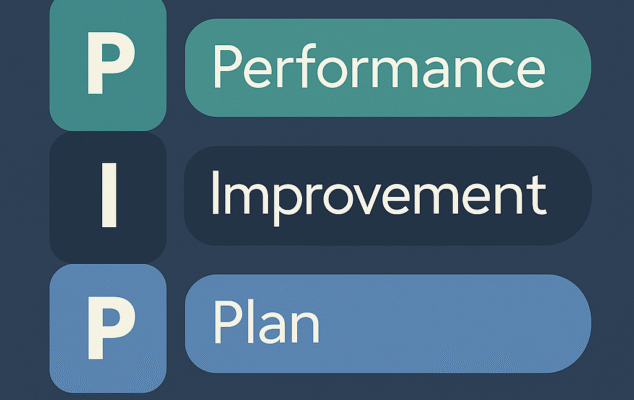
When recurring check ins show consistent gaps in performance, managers can turn those insights into structured performance improvement plans (PIPs). This keeps the process fair, transparent, and focused on helping employees succeed — not punishing them.
3. Connection with 360° feedback and engagement surveys
The best organizations don’t look at check-ins in isolation. They combine them with 360° feedback and employee engagement surveys to get a full view of how people are doing, both individually and as a team.
360 feedback adds different voices — direct reports, peers, or even clients — to the manager’s perspective. That mix gives context: how others see the same employee’s performance and behavior. When you pair that with check-in notes, the picture becomes more balanced and accurate.
Engagement surveys then show the company-wide patterns: which teams have high morale, where communication might be weak, and how employees feel overall.
If regular check-ins happen often but engagement is still low, it signals something deeper, maybe trust, resources, or leadership need more attention.
Example check-in templates and frameworks
Not every manager needs a long or complicated process to run regular check-ins with employees. What matters most is having a clear structure. I’ve tested several frameworks that work well for different types of teams and performance goals.
Here are three practical templates you can adapt right away:
This one works best for fast-paced teams that just need a quick sync to stay aligned.
Purpose: Keep communication open, resolve issues early, and track progress without wasting time.
Format:
- 5 min: Employee shares highlights and tasks completed since the last check-in meeting.
- 5 min: Discuss issues, blockers, or resources needed for upcoming work.
- 3 min: Manager gives feedback — recognition, course correction, or support where needed.
- 2 min: Agree on next steps and confirm the next meeting date.
This light format keeps everyone updated, builds trust, and gives employees a sense of recognition for ongoing work.
2. OKR-aligned check-in template
This one connects every conversation to measurable performance outcomes. I like it for teams working under structured performance management frameworks.
Purpose: Tie daily work to quarterly goals and company priorities.
Format:
- Review objectives: What key results are on track? Which ones are lagging?
- Discuss obstacles: Are there issues blocking progress? Any resources missing?
- Feedback exchange: What did the employee learn? What support do they need from the manager or team?
- Adjust priorities: Reconfirm expectations or shift focus where needed.
This format works especially well when the organization uses goal-tracking tools. It turns check-ins into live updates on performance, not just casual chats.
Sometimes employees don’t need another project update, but a conversation about growth, skills, and opportunities. This structure focuses on long-term development.
Purpose: Strengthen employee engagement and build confidence through guided reflection.
Format:
- Review progress: What have you been most proud of lately?
- Identify growth areas: What skills do you want to improve? Any feedback from others that stood out?
- Explore motivation: What kind of work energizes you? What tasks feel draining?
- Action plan: What’s one step you can take before our next meeting to move toward your goal?
This framework builds trust and open communication. It helps employees see that managers care about them as individuals, not just as performers. Over time, it improves morale, collaboration, and long-term performance.
Building a culture of continuous feedback
A few check-in meetings here and there aren’t enough to transform performance. What really changes teams is culture: a workplace where feedback happens naturally, where employees feel safe to speak up, and where managers use every meeting to learn as much as they lead. Building that kind of culture takes consistency, trust, and example-setting from the top.
1. Leadership modeling and manager training
Employees mirror what leaders do. If leaders only give feedback once a year during an annual performance review, everyone else will treat it as a formality, too. But when leaders share feedback weekly, ask questions, and admit their own mistakes, managers start doing the same.
That’s why I believe culture starts with modeling. Leaders must show that regular check-ins with employees aren’t optional, but a part of how real performance management happens.
Training is also key. Many managers were never taught how to give constructive feedback or hold difficult conversations. A simple workshop on asking better questions, balancing praise with critique, and using open communication can change the tone of every team.
2. Normalizing upward and peer feedback
Feedback shouldn’t only move one way from manager to employee. When team members feel safe to give feedback upward or across the team, communication becomes honest and complete.
For example, I often ask, “What’s one thing I could do differently to make your work easier?” That one question changes the tone of the whole meeting. It shows humility, invites collaboration, and encourages employees to take ownership.
Peer feedback works the same way. It strengthens team connections, improves skills, and reveals insights that managers might miss. The goal isn’t to grade each other but to keep improvement a shared responsibility.
When organizations use performance management tools that support peer reviews or 360° feedback, it becomes part of the daily rhythm, not an awkward event that happens once a year.
3. Recognizing progress, not just outcomes
Most companies reward results, but progress deserves just as much attention. Employees stay motivated when managers notice the small things — effort, learning, and steady improvement over time.
During regular check-ins, I make it a point to highlight progress even if the final goal isn’t complete. Simple recognition: “I saw how you handled that client issue” or “You improved that process by 10% this month,” has a massive impact on morale.
It also helps keep remote work teams connected. When people don’t see each other daily, recognition through check-ins reminds them that their work still matters.
How Thrivea enables continuous check-ins
Regular check-ins with employees work best when supported by a system that keeps feedback, goals, and performance data in one place.
Thrivea’s performance management software was built for that exact purpose — turning each check-in meeting into a structured, data-driven conversation rather than a casual update.
Thrivea lets managers move beyond the annual performance review. Inside the platform, you can run quarterly or monthly performance management cycles with flexible timelines and roles.
Each cycle can include self-reviews, peer feedback, and manager assessments. This keeps employees and direct reports aligned on expectations and progress without waiting for a year-end summary.
The dashboard gives managers visibility into who’s completed check-ins, who needs support, and what issues might require attention: saving time and improving consistency across the team.
2. Real-time feedback and goal tracking
Thrivea integrates feedback directly into everyday workflows. Managers and employees can leave comments, share recognition, and update performance goals in real time.
These updates automatically appear in the next check-in, helping both sides stay focused on measurable outcomes.
The system connects goals to larger company objectives, ensuring that every task and conversation contributes to business priorities. Over time, this creates a continuous feedback loop: each meeting builds on the last, improving trust, communication, and morale.
3. Automation for reminders and documentation
Consistency matters. Thrivea automates reminders so managers never forget a scheduled check-in. After each meeting, notes can be logged directly in the employee’s performance record, creating a documented trail of feedback, achievements, and issues.
These records feed future reviews and development plans, giving leaders concrete insights rather than vague recollections. Automation removes administrative friction, letting managers focus on the conversation itself instead of chasing forms or resources.
4. Analytics that measure engagement and outcomes
Every check-in generates data: frequency, sentiment, and follow-through. Thrivea’s built-in analytics consolidate that information into performance dashboards. HR teams can spot trends, such as which departments hold check-ins most often, where issues repeat, or how feedback affects productivity and engagement.
Those insights reveal whether regular check-ins are driving better team performance or if additional support is needed. Combined with Thrivea’s HR analytics software, organizations get a clear picture of how communication quality links directly to employee engagement and results.
5. Integration across the HRIS ecosystem
Thrivea connects check-ins with related HR modules: Employee Records, Documents, PTO tracking, and Reports & Analytics. That means every employee’s performance conversation ties to real context: recent absences, learning activity, or project updates.
This ecosystem turns Thrivea into more than just a performance management tool. It’s a central hub for continuous feedback, goal alignment, and employee development.
By integrating check-ins with every other part of the employee lifecycle, Thrivea helps managers build rhythm, employees stay clear on expectations, and companies create a measurable culture of open communication and growth.
Key Takeaways
Regular check-ins with employees only work when they’re consistent, structured, and backed by the right performance management system. A steady rhythm — weekly, bi-weekly, or monthly — keeps communication strong and feedback timely. Each meeting should focus on progress, issues, and next steps, not just updates.
HRIS like Thrivea make it easy to maintain that rhythm. With built-in check-in templates, automated reminders, and performance dashboards, managers can turn every meeting into a clear, data-driven conversation that actually drives results.
Start building your continuous feedback culture today. Book a demo with Thrivea to see how seamless regular check-ins can be.